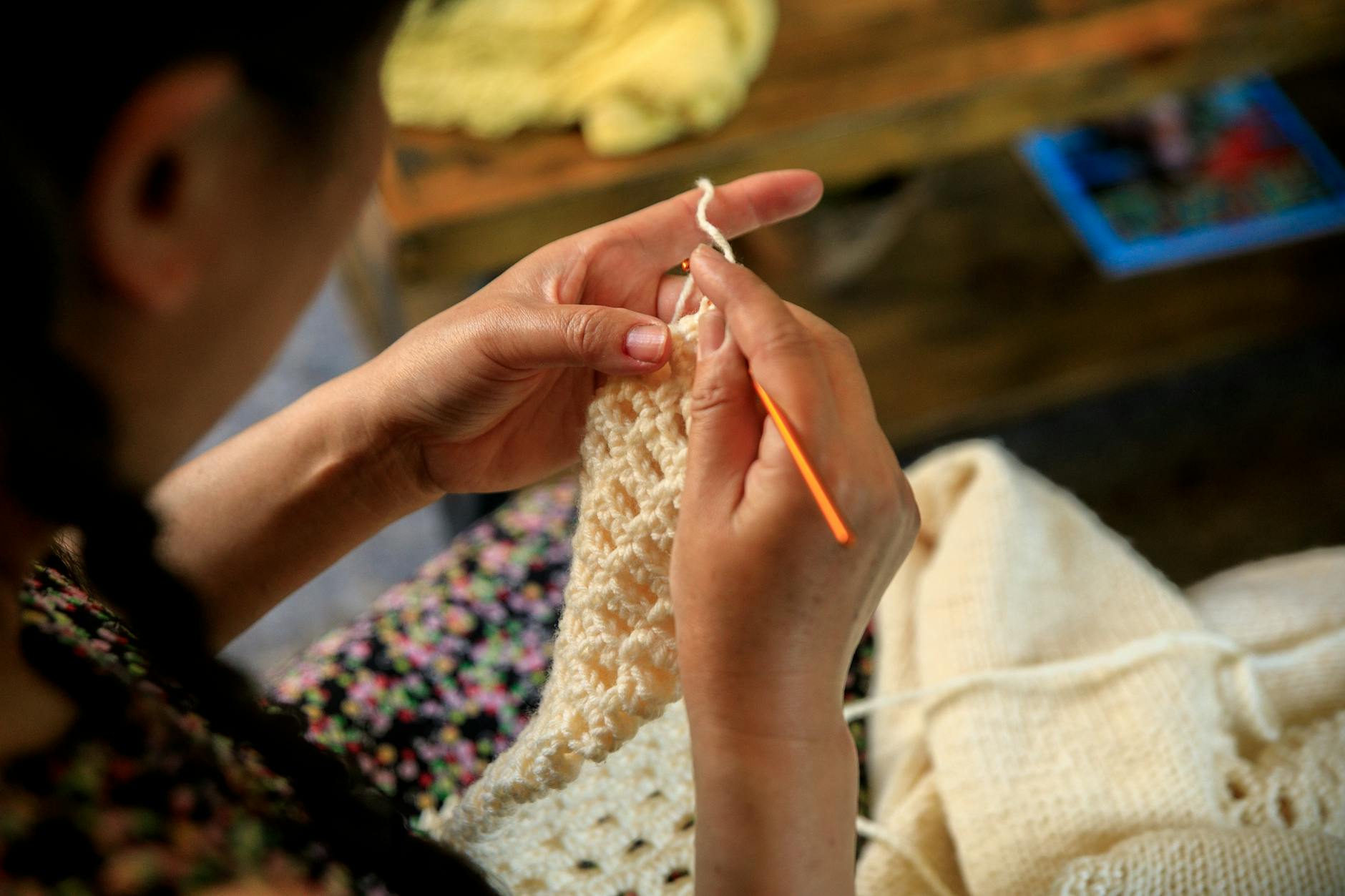
Hey yarn addicts! Have you noticed the amazing shift happening in our crochet community? In 2025, sustainable crafting has moved from niche trend to mainstream movement, with eco-conscious crocheters leading the charge toward a greener planet. If your social media feed looks anything like mine, you’ve seen countless makers showing off their reusable market bags, produce pouches, and other planet-friendly creations. This isn’t just another passing trend – it’s a full-blown revolution that combines our love for crochet with genuine environmental impact.
The demand for eco-friendly alternatives has exploded, with produce bags, soap savers, and reusable items trending heavily across social platforms. But here’s what makes this movement so special: every single item you crochet actually makes a measurable difference. We’re not just creating beautiful handmade pieces – we’re actively reducing plastic waste, one stitch at a time. And honestly? That feels pretty incredible.
🔗 Discover more sustainable crafting inspiration at Crochet Chronicles
KEY TAKEAWAY: Your Eco-Friendly Crochet Starter Guide
Quick Summary: The sustainable crochet movement of 2025 centers on creating seven essential reusable items that replace single-use plastics: market bags, dish scrubbers, produce bags, water bottle holders, plant hangers, face scrubbies, and storage baskets. Choose eco-friendly yarns like organic cotton, bamboo, recycled cotton, hemp, or Tencel for maximum environmental benefit. These projects not only reduce waste but also save money long-term while building valuable crochet skills. Start with a simple market bag using worsted weight cotton yarn – it’s beginner-friendly and delivers immediate practical value.
Understanding the Sustainable Crochet Movement
Let me paint you a picture of what’s really happening in the crochet world right now. Traditional crochet practices have a significant environmental footprint, from conventional yarn production using vast amounts of water and energy to leftover materials ending up in landfills. But here’s the exciting part – we’re changing that narrative.
The sustainable apparel market is projected to reach $27.2 million by 2033, reflecting massive global demand for environmentally responsible crafting. What does this mean for us yarn lovers? It means we’re part of something bigger. Every time you choose organic cotton over conventional yarn, every time you create a reusable item instead of buying disposable alternatives, you’re voting with your hook for a better future.
The beauty of sustainable crochet isn’t just about the environmental benefits (though those are huge!). This movement encourages slow crafting – taking time to create meaningful, durable projects that can be treasured for years rather than quick disposable items. There’s something deeply satisfying about knowing that bag you’re crocheting will replace hundreds of plastic bags over its lifetime.
The 7 Must-Make Eco-Friendly Crochet Items of 2025
1. Reusable Market Bags: The Gateway to Green Crochet
Let’s start with the queen of sustainable crochet projects – the reusable market bag. Made from durable, washable cotton yarn, a well-crafted market bag can last for years while reducing dependence on single-use plastic bags. I’ve personally watched my collection of crocheted market bags completely eliminate plastic bags from my shopping routine, and let me tell you – it feels amazing.
Cotton or cotton blend yarn remains the top choice for market bags due to its strength, durability, and machine-washable properties, with worsted weight being ideal for reusable shopping bags. The best part? These bags are incredibly forgiving for beginners. You’ll typically work from a solid base upward, creating a mesh or open-weave design that stretches to accommodate your haul while remaining lightweight and portable.
Popular Market Bag Styles for 2025:
- Classic mesh tote with sturdy handles
- String bag with maximum stretch capability
- Chevron-patterned structured bag
- Farmer’s market bag with flat bottom base
- Foldable mushroom-shaped compact bag
Market bags stretch significantly beyond their resting size, allowing medium-sized bags to carry surprisingly heavy loads without breaking. Pro tip from experience: crochet your handles slightly shorter than you think you need. They’ll stretch with use, and you don’t want your bag dragging on the ground!
2. Dish Scrubbers: Say Goodbye to Smelly Sponges
Here’s a game-changer that transformed my kitchen: crocheted dish scrubbers. Traditional kitchen sponges get stinky fast and aren’t meant to last long, leading to constant replacement and waste. Enter the reusable crochet scrubber – washable, long-lasting, and way more eco-friendly.
Modern scrubby yarns made from nylon create the perfect texture for dish scrubbing while being easier on hands than older methods using cut nylon tulle. You can also get creative by repurposing mesh produce bags into scrubbers, giving you a completely zero-waste option.
Scrubber Yarn Options:
- Red Heart Scrubby (nylon texture, widely available)
- Repurposed mesh produce bags (ultimate upcycle!)
- Cotton scrubby yarn for gentler cleaning
- Lily Sugar’n Cream in double layers for durability
Upcycled produce bag scrubbers keep mesh packaging out of landfills while providing excellent scrubbing power for dishes. I keep a rotation of about six scrubbers, tossing them in the washing machine or dishwasher every few days. They’ve saved me so much money on disposable sponges!
3. Produce Bags: Ditch the Plastic at the Grocery Store
You know those flimsy plastic produce bags at the grocery store? Yeah, we’re done with those. Crochet produce bags feature a mesh design with excellent stretch for bunches of bananas and other produce, while being durable and reusable. These lightweight beauties are perfect for carrying fruits and veggies, and they’re so much prettier than their plastic counterparts.
Using lace weight hemp, linen, or cotton yarn creates produce bags that are easily washable, super lightweight, and perfect for reducing plastic bag consumption. The open mesh design allows your produce to breathe, which actually helps it stay fresher longer. Plus, checkout clerks can see right through them, making the process smooth and easy.
Produce Bag Success Tips:
- Make them in various sizes (small for herbs, large for lettuce)
- Use natural fibers that can handle frequent washing
- Add a drawstring closure for secure carrying
- Create a color-coding system for different produce types
- Start with fingering or sport weight for best drape
The beauty of produce bags is their versatility. I use mine for way more than just groceries – they’re perfect for storing toys, organizing craft supplies, or even as gift bags for small items. Talk about multi-purpose!
4. Water Bottle Holders: Hands-Free Hydration
Water bottle holders have become essential eco-friendly accessories, offering hands-free carrying while promoting reusable bottle usage over disposable plastic. Whether you’re hiking, running errands, or just want easy access to hydration, a crocheted water bottle holder is both practical and stylish.
Cotton yarn is the best fiber choice for water bottle carriers because it’s durable, breathable, holds its shape well even when wet, and doesn’t stretch out over time like acrylic. This means your bottle stays secure, and the holder maintains its fit wash after wash.
Water Bottle Holder Features to Consider:
- Adjustable strap length for shoulder or crossbody wear
- Phone pocket attachment for extra functionality
- Size customization for different bottle shapes
- Reinforced base for heavier bottles
- Quick-dry cotton for outdoor adventures
Some innovative patterns include plarn (plastic yarn made from repurposed plastic bags) for a completely upcycled, eco-conscious design. I’ve made holders with attached key clips and small pockets – game changers for busy moms and outdoor enthusiasts alike!
5. Plant Hangers: Bring the Green Inside
Crochet plant hangers made from sustainable materials like recycled t-shirt yarn or eco-friendly cotton blend style with function, allowing crafters to display greenery while repurposing materials. The boho-chic aesthetic of plant hangers has made them incredibly popular, and they’re surprisingly beginner-friendly.
Most plant hanger patterns offer multiple size options and use simple stitches, with projects typically requiring just one to two balls of cotton yarn. This makes them perfect stash-busters and quick gift projects that pack a big visual impact.
Plant Hanger Style Guide:
- Macramé-inspired minimalist designs
- Chunky basket-style holders
- Wall-mounted space-savers
- Tiered hangers for multiple plants
- Adjustable sizing for various pot dimensions
Hemp yarn is particularly ideal for plant hangers as it’s eco-friendly, boosts soil health during growing, and creates strong yet soft fibers perfect for sturdy designs. I’ve crocheted hangers using everything from cotton to jute to repurposed t-shirt yarn, and they all bring such personality to my indoor jungle!
6. Face Scrubbies & Makeup Removers: Sustainable Self-Care
Let’s talk about bathroom sustainability. Crocheted face scrubbies and reusable makeup remover pads eliminate the need for disposable options that contain plastic fibers, helping minimize plastic pollution in landfills and oceans. Plus, they’re SO much gentler on your skin than disposable wipes.
Made from soft, absorbent cotton yarn, reusable face pads are washable and gentle on skin while being environmentally responsible. I’ve been using the same set of crocheted face scrubbies for over a year, and they’re still going strong. The softness actually improves with washing!
Face Scrubbie Essentials:
- 100% cotton for skin safety
- Double-layer construction for durability
- Various textures for different uses
- Easy-to-wash and quick-drying
- Perfect size (3-4 inches works best)
Make a set of 10-15 so you always have clean ones ready. Toss them in a mesh laundry bag (which you can also crochet!) and wash with your towels. It’s such an easy swap that makes a real difference.
7. Storage Baskets & Organizers: Stylish Solutions
Zero-waste storage solutions like crocheted baskets actively minimize waste while providing functional organization for homes. From bathroom organization to pantry storage, crocheted baskets combine form and function beautifully.
Popular Basket Projects:
- Bread baskets with tapestry crochet designs
- Toy storage bins in fun colors
- Bathroom organizers for toiletries
- Kitchen utensil holders
- Desk organizers for craft supplies
Hemp and linen yarns withstand decades of use, significantly outperforming synthetic options in durability for household items like storage baskets. These natural fibers create sturdy, structured baskets that maintain their shape even with heavy use.
The Best Eco-Friendly Yarns for Sustainable Crochet
Choosing the right yarn is crucial for truly sustainable crochet. Let’s break down your options:
Organic Cotton: The Reliable Choice
Organic cotton is grown without synthetic pesticides or harmful chemicals, making it soft, durable, and available in various colors while using approximately 90% less water than conventional cotton. It’s perfect for items that need frequent washing like dish scrubbers and face pads.
Top Organic Cotton Brands for 2025:
- Blue Sky Fibers Organic Cotton Worsted
- Lion Brand Organic Cotton (24/7 Cotton)
- We Are Knitters The Cotton
- Loops & Threads Capri Eco Cotton
Bamboo Yarn: Fast-Growing and Fabulous
Bamboo is environmentally sustainable, requiring no pesticides and being one of the most easily replenishable plants, growing swiftly with a dependable water source. The resulting yarn is soft, durable, and has natural antibacterial properties – perfect for kitchen and bathroom items.
Products made from bamboo are both durable and biodegradable, combining functionality with environmental responsibility. I love bamboo yarn for summer projects because it’s naturally cooling and breathable.
Recycled Cotton: The Ultimate Eco-Warrior
Recycled cotton is the most sustainable cotton option, made from pre-consumer or post-consumer waste that gives new life to fabric scraps heading to landfills. This option truly embodies the circular economy concept.
Recycled Cotton Favorites:
- Hoooked Zpagetti (recycled t-shirt yarn)
- Lion Brand Re-Up (100% recycled polyester)
- Katia Concept Cotton-Merino (recycled blend)
- Spesso Chunky Cotton (100% recycled)
Hemp & Linen: The Durability Champions
Hemp boosts soil health, uses water wisely, and creates strong yet soft fibers ideal for market bags and plant holders, making it one of the most eco-friendly options available. While it can feel stiff initially, soaking hemp yarn in warm water before use reduces stiffness and improves workability.
Linen, made from flax plants, offers better stitch definition than hemp and creates a more uniform look, making it great for accessories, summer clothing, and home decor.
Tencel/Lyocell: The Luxury Eco Option
Lyocell (also called Tencel) is made from eucalyptus trees that grow extremely fast on otherwise unfarmable land, requiring 80% less water than cotton in manufacturing. It’s silky-smooth and perfect for garments and accessories.
Sustainable Yarn Comparison Chart
| Yarn Type | Eco-Rating | Best For | Care | Cost |
|---|---|---|---|---|
| Organic Cotton | ⭐⭐⭐⭐ | Kitchen items, washcloths, bags | Machine wash warm | $$ |
| Bamboo | ⭐⭐⭐⭐⭐ | Summer wear, dish items | Hand wash cool | $$$ |
| Recycled Cotton | ⭐⭐⭐⭐⭐ | Market bags, home decor | Machine wash | $-$$ |
| Hemp | ⭐⭐⭐⭐⭐ | Sturdy bags, plant hangers | Improves with washing | $$-$$$ |
| Linen | ⭐⭐⭐⭐ | Summer accessories, kitchen | Gets softer with age | $$$ |
| Tencel | ⭐⭐⭐⭐ | Garments, baby items | Gentle wash | $$$$ |
Environmental Impact: The Numbers That Matter
Let’s talk real impact. With 8 million tons of plastic waste entering oceans annually and predictions that oceans will contain more plastic than fish by 2050, every reusable item matters. Your crochet hook is literally a tool for change.
The fashion industry’s impact includes 92 million tons of apparel ending up in landfills annually, with synthetic fibers releasing microplastics during washing that become the primary source of ocean microplastics. When you crochet with natural fibers, you’re breaking this cycle.
Real-World Impact of Your Eco-Friendly Crochet
One Reusable Market Bag:
- Replaces approximately 700 plastic bags per year
- Prevents 22 pounds of CO2 emissions annually
- Lasts 2-5 years with proper care
- Saves $50-100 in bag fees over its lifetime
Set of Dish Scrubbers:
- Replaces 52+ disposable sponges yearly
- Prevents 3-5 pounds of landfill waste
- Saves $30-50 per year
- Eliminates chemical sponge production impact
Reusable Produce Bags (set of 5):
- Replaces 500+ plastic produce bags annually
- Reduces microplastic shedding in oceans
- Saves $10-15 yearly in potential bag fees
- Keeps produce fresher longer
By creating reusable items, crocheters actively contribute to reducing waste and conserving resources while replacing disposable products with durable, long-lasting handmade alternatives.
Cost Savings: Green Crafting for Your Wallet
Beyond the environmental benefits, sustainable crochet actually saves you money. Let’s break down the economics:
Initial Investment vs. Long-Term Savings
| Item | Yarn Cost | Time Investment | Yearly Savings | Break-Even |
|---|---|---|---|---|
| Market Bag (3) | $15-25 | 6-9 hours | $75-100 | 2-3 months |
| Dish Scrubbers (6) | $10-15 | 3-4 hours | $30-50 | 4-6 months |
| Produce Bags (5) | $12-18 | 4-5 hours | $15-25 | 8-12 months |
| Water Bottle Holder | $5-8 | 2-3 hours | $20-30 | 3-4 months |
| Face Scrubbies (15) | $8-12 | 3-4 hours | $40-60 | 2-3 months |
The beauty of these projects? Most eco-friendly crochet items like plant hangers and small accessories use just one to two balls of yarn, making them affordable stash-busting projects. You’re not breaking the bank to make a positive impact.
Beginner-Friendly Patterns to Get Started
Feeling inspired but not sure where to begin? Here are the easiest entry points:
Absolute Beginner: Start Here
Simple Dish Scrubber (2-3 hours)
- Uses basic single crochet in rounds
- Requires 1 ball of scrubby yarn
- Instant gratification with immediate use
- Forgiving pattern that hides mistakes
Basic Produce Bag (3-4 hours)
- Simple chain and double crochet mesh
- Uses less than 1 skein of cotton
- Teaches spacing and tension
- Beautiful open-weave result
Confident Beginner: Level Up
Classic Market Bag (5-8 hours)
- Introduces working in the round
- Builds on mesh stitch foundation
- Creates practical everyday item
- Customizable sizing
Water Bottle Holder (4-6 hours)
- Combines basic stitches
- Teaches strap construction
- Portable project perfect for learning
- Useful gift option
Intermediate: Challenge Yourself
Textured Plant Hanger (6-10 hours)
- Incorporates post stitches
- Creates stunning visual impact
- Perfect for stash-busting
- Customizable for any pot size
Storage Basket with Handles (8-12 hours)
- Works with chunky yarn for quick results
- Teaches shaping and structure
- Functional home organization
- Great for color exploration
Care & Maintenance Tips for Long-Lasting Items
Your eco-friendly crochet items deserve proper care to maximize their lifespan and environmental benefit.
Washing Guidelines by Item Type
Market Bags & Produce Bags:
- Machine wash warm with like colors
- Air dry or tumble low
- Reshape while damp if needed
- Wash after 4-5 uses or when visibly soiled
Dish Scrubbers:
- Rinse after each use
- Machine wash or top-rack dishwasher weekly
- Spray with vinegar before laundering to eliminate musty smells without damaging colors like bleach does.
- Replace after 6-8 months of daily use
Face Scrubbies & Washcloths:
- Wash in mesh laundry bag with towels
- Use gentle, fragrance-free detergent
- Air dry for longest life
- Softness improves with age
Plant Hangers & Baskets:
- Spot clean as needed
- Store with cedar sachets in cotton bags to deter moths without chemicals.
- Refresh with steam if they lose shape
- Re-block if necessary
Extending Item Lifespan
Mend holes with duplicate stitch or visible darning to extend wear, embracing the slow fashion mentality of repair over replacement. I’ve added decorative patches to worn market bags, giving them new life and character. It’s all part of the sustainable craft journey!
Common Mistakes to Avoid
Let me save you from some rookie errors I made when starting my eco-friendly crochet journey:
Using the Wrong Yarn Weight: Not all yarns are created equal for specific purposes. Heavy bags need sturdy yarn; delicate face scrubbies need soft cotton. Match your material to your project’s demands.
Making Bags Too Large: Your first market bag doesn’t need to hold three weeks of groceries! Start medium-sized. Remember, these bags stretch significantly when filled.
Skipping Gauge: Yes, I know gauge swatches are boring. But for items that need to fit specific things (like water bottles), take the time. Future you will thank present you.
Choosing Fashion Over Function: That fuzzy, soft yarn might look pretty, but it’s terrible for dish scrubbers. Function first, beauty second (though with eco-friendly items, you often get both!).
Not Making Enough: One produce bag isn’t enough. Trust me. Make a set of at least five from the start. Same with scrubbers – you’ll want backups while others are in the wash.
Joining the Sustainable Crochet Community
You’re not alone in this green crafting revolution! The sustainable crochet community is thriving and incredibly supportive.
Where to Find Inspiration & Support
Ravelry’s “Sustainable Stitches” group shares over 1,000 ideas, with 68% of crafters now prioritizing traceability from farm to finished project. It’s an amazing resource for patterns, yarn recommendations, and eco-friendly tips.
Online Communities:
- Instagram hashtags: #sustainablecrochet #ecofriendlycrochet #greencrafting
- Facebook groups focused on zero-waste crochet
- Pinterest boards dedicated to eco-friendly patterns
- YouTube channels featuring sustainable yarn reviews
Local Connections:
- Sustainable craft circles at libraries
- Eco-friendly yarn shop classes
- Environmental organization craft events
- Farmer’s market maker meetups
Sharing Your Impact
Don’t be shy about sharing your sustainable crochet journey! When people ask about your handmade bags (and they will), it’s a perfect opportunity to spread awareness. I’ve inspired countless friends and family members to try eco-friendly crochet simply by using my creations in public.
Beyond the Basics: Advanced Eco-Friendly Projects
Once you’ve mastered the essentials, there’s a whole world of sustainable crochet to explore:
Clothing & Wearables:
- Summer tanks and tees in organic cotton
- Market bags that double as purses
- Reusable gift wrap and bags
- Upcycled sweater projects
Home & Garden:
- Compost bin liners (yes, really!)
- Beeswax wrap covers
- Herb garden markers
- Solar panel cozies for camping
Zero-Waste Living:
- Reusable snack bags with zipper closures
- Cloth napkin sets with matching rings
- Handkerchief collections
- Eco-friendly swiffer pads
The Future of Sustainable Crochet
Looking ahead, algae-based fibers from companies like AlgiKnit are prototyping compostable, durable yarns from kelp, while regenerative agriculture farms restoring soil health will dominate sourcing. The EU’s Green Claims Directive will mandate eco-labeling, making certified yarn the norm by 2026.
Workshops on dyeing with natural materials like avocado pits and repairing worn items empower crafters to minimize waste throughout the entire crafting lifecycle. We’re moving toward a complete circular economy in fiber arts.
This is such an exciting time to be a crocheter! We’re witnessing real innovation in sustainable materials while simultaneously rediscovering traditional, time-tested techniques. The fusion of old and new is creating incredible possibilities.
Your Eco-Friendly Crochet Starter Kit
Ready to dive in? Here’s what I recommend for your first sustainable crochet projects:
Essential Tools:
- 5mm and 4mm bamboo crochet hooks
- Sharp scissors
- Tapestry needle for weaving ends
- Stitch markers
- Measuring tape
Yarn Shopping List (Start Simple):
- 2-3 skeins worsted weight organic cotton (for market bags)
- 1 skein Red Heart Scrubby or similar (for dish scrubbers)
- 1-2 skeins fingering weight cotton (for produce bags)
- 1 skein DK weight bamboo blend (for face scrubbies)
First Projects Plan:
- Week 1: Make 3-4 dish scrubbers (build confidence!)
- Week 2: Create your first simple market bag
- Week 3: Whip up 5 produce bags
- Week 4: Try a water bottle holder or face scrubby set
Start small, build skills, and watch your eco-friendly collection grow!
Frequently Asked Questions
Q: How long do crocheted reusable items actually last? Cotton and cotton blend market bags are strong, durable fibers that don’t stretch and are machine washable, with proper care extending their life to 2-5 years of regular use. Dish scrubbers typically last 6-8 months with daily use, while produce bags can last several years since they face less wear.
Q: Are eco-friendly yarns more expensive than regular acrylic? Not necessarily! While some organic options cost more upfront, many sustainable yarns are available under $10, including recycled cotton and organic cotton options from major brands like Lion Brand and Bernat. Plus, the longevity of natural fibers often makes them more economical long-term.
Q: Can I machine wash eco-friendly crochet items? Absolutely! Cotton yarn is machine washable and easy to care for, which is one reason it’s the top choice for reusable items. Hemp and linen actually improve with washing, becoming softer over time. Bamboo may require gentler handling but many bamboo bl